12 Craft Night Ideas for a Creative Evening With Friends
A craft night is a dinner party where the table does half the talking. Everyone has something to do with their hands, the conversation drifts in and out, and at the end of the evening each guest goes home with something she made. It’s one of our favorite girls’ night in ideas, and it’s the one that depends most on choosing the right project.
That’s the part most lists skip. Good craft night ideas for adults need to fit into a single evening, work for friends with very different levels of confidence, and not end with someone’s favorite sweater ruined by fabric paint. The 12 projects below pass that test. Each comes with what to buy, how to prep and what to know about drying times, followed by a practical guide to hosting a craft night at home.
Craft Night Ideas at a Glance
All figures are estimates. Cost: $ means mostly inexpensive supplies, many of which you may already own; $$ means a few tools or materials worth buying together and splitting. Time is time at the table, not drying or curing.
| Craft | Cost | Difficulty | Time | Ready to take home |
|---|---|---|---|---|
| Painted ceramic vases and planters | $$ | Easy | 1–1.5 hrs | Same night (acrylic); after baking (paint pens) |
| Charm jewelry bar | $$ | Easy | 45–90 min | Same night |
| Air-dry clay mirror frames | $ | Easy–moderate | 1.5 hrs | After 1–3 days of drying |
| Painted tote bags | $ | Easy | 1 hr | After drying and heat-setting |
| Scrapbook pages | $ | Easy | 1.5–2 hrs | Same night |
| Beginner embroidery | $ | Moderate | 2 hrs+ | Usually finished at home |
| Hand-poured candles | $$ | Moderate | 1.5 hrs | Same night, best after curing |
| Pressed-flower frames | $$ | Easy | 45 min | Same night |
| Block-printed napkins | $$ | Moderate | 2 hrs | After drying and heat-setting |
| Punch needle | $$ | Easy–moderate | 2 hrs+ | Usually finished at home |
| Watercolor cards | $ | Easy | 1 hr | Same night |
| Macramé plant hanger | $ | Moderate | 1.5–2 hrs | Same night |
12 Craft Night Ideas for Adults
1. Painted Ceramic Vases and Planters
Plain white bud vases and terracotta pots are inexpensive and take paint beautifully. Stripes, checks, polka dots or one loose botanical all look intentional on a small vase, which takes the pressure off friends who insist they can’t draw. Everyone starts with the same blank piece, and seeing how differently they turn out is half the fun.
You’ll need: plain ceramic or terracotta pieces, acrylic paint or porcelain paint pens, small brushes, painter’s tape for clean lines, pencils and a clear sealer.
Prep: Wash and dry every piece so the paint grips, and put out pencils so people can sketch first.
Good to know: Acrylic paint on ceramics is decorative only. Porcelain paint pens are usually heat-set in a home oven, so follow the brand’s time and temperature exactly. For anything people will eat or drink from, the reliable route is a paint-your-own-pottery studio, where pieces are finished with food-safe glaze and fired in a kiln. On planters, paint the outside only and seal it, since damp terracotta can make paint peel.
2. A Charm Jewelry Bar
Set out chains, charms and beads like a toppings bar, and let everyone build a necklace, bracelet or bag charm. It’s quick to learn, almost impossible to get wrong, and guests inevitably start trading charms across the table.
You’ll need: chain or bracelet cord, jump rings, lobster clasps, an assortment of charms and beads, flat-nose or chain-nose pliers (two pairs per person is ideal, or share between pairs), and small dishes for sorting.
Prep: Sort charms into bowls or a muffin tin and pre-cut chains to necklace and bracelet lengths.
Good to know: Open jump rings by twisting the ends sideways rather than pulling them apart, so they close neatly. Choose nickel-free or stainless-steel findings if anyone has sensitive skin, and keep loose beads away from children and pets.
3. Air-Dry Clay Mirror Frames
Wavy, scalloped clay mirrors have become an interiors favorite, and a small version is a realistic evening project. Press clay around a small round craft mirror, shape a border, add texture with a fork or a clay tool, and leave it to dry. Clay is forgiving, tactile and quietly absorbing, which keeps conversation easy.
You’ll need: air-dry clay, small round craft mirrors with smooth edges, a rolling pin, clay tools or a butter knife, a cup of water, parchment paper, and acrylic paint and varnish for later.
Prep: Cover the table with parchment and cut the clay into portions before guests arrive.
Good to know: Air-dry clay shrinks slightly as it dries and can crack where it’s thin, so keep the border an even thickness and smooth small cracks with a damp finger. Drying usually takes one to three days depending on thickness; the packet will say. It isn’t waterproof, so varnish it and keep it away from splashes. Painting can happen at home, or become the excuse for a second get-together.
4. Painted Tote Bags
A plain canvas tote is the friendliest fabric project there is: flat, cheap and genuinely useful afterward. Paint initials, a scatter of fruit, a checkerboard or a simple repeating motif, then carry it to the farmers market all summer.
You’ll need: prewashed cotton canvas totes, fabric paint (or acrylic mixed with fabric medium), brushes and sponges, fabric markers for fine detail, optional stencils and a piece of cardboard for each bag.
Prep: Slide cardboard inside each tote to stop paint bleeding through to the back.
Good to know: Most fabric paints need to dry completely, often a full day, and then be heat-set with an iron on the reverse before washing. Check the label for the exact method. Aprons or old shirts are non-negotiable.
5. Scrapbook Pages
Scrapbooking is the most sociable craft on this list because it runs on stories. Choose a theme (the year so far, a trip you took together, the friendship itself) and let each guest make a spread or two.
You’ll need: albums or heavy cardstock, printed photos, patterned paper, washi tape, stickers, glue runners or photo corners, scissors, good pens, and ephemera such as tickets, menus and postcards.
Prep: Ask everyone to send 10 to 15 photos a week ahead, and print them before the night.
Good to know: For pages meant to last, look for acid-free paper and adhesives labeled photo-safe, which help keep prints from yellowing over time.
6. Beginner Embroidery
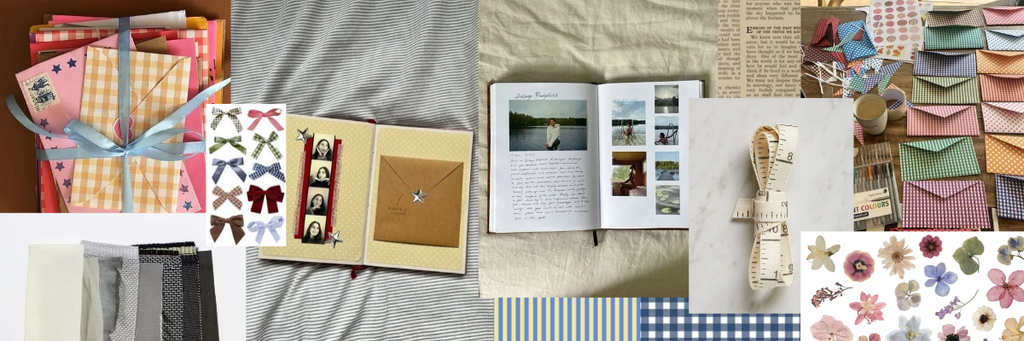
A small hoop and a simple outline (an initial, a lemon, a sprig of leaves) is enough to learn three stitches that cover most beginner patterns: backstitch, satin stitch and the French knot. It’s calm, portable and pleasantly repetitive, so it suits a group that wants to talk more than concentrate.
You’ll need: 5- or 6-inch embroidery hoops, cotton or linen fabric cut a few inches wider than the hoop, six-strand embroidery floss, embroidery needles, small scissors, and a water-soluble pen or stick-and-stitch transfer sheets.
Prep: Transfer the designs ahead of time, or use stick-and-stitch sheets that go straight onto the fabric and rinse away afterward.
Good to know: Few people finish in one evening, and that’s fine; the hoop travels home. Good lighting matters more here than for any other project.
7. Hand-Poured Candles
Choosing a scent, a vessel and a name for your candle turns a simple pour into something that feels like a small luxury. It also makes a lovely gift for anyone who couldn’t come.
You’ll need: soy container wax, pre-tabbed wicks with wick stickers, centering bars or clothespins, heat-safe candle tins or jars, a pouring pitcher, a saucepan for a double boiler, a thermometer and fragrance oil made for candles.
Prep: Hold this one in the kitchen. The host handles the melting while guests fix their wicks and choose fragrances.
Good to know: Melt wax in a double boiler, never directly over a burner, and never leave it unattended. Add fragrance at the amount and temperature the wax supplier recommends, and keep the room ventilated. If wax ever catches fire, turn off the heat and cover it with a lid; never use water. Soy candles set within hours but usually smell best after curing for one to two weeks. Trim the wick to about a quarter inch before the first burn.
8. Pressed-Flower Frames
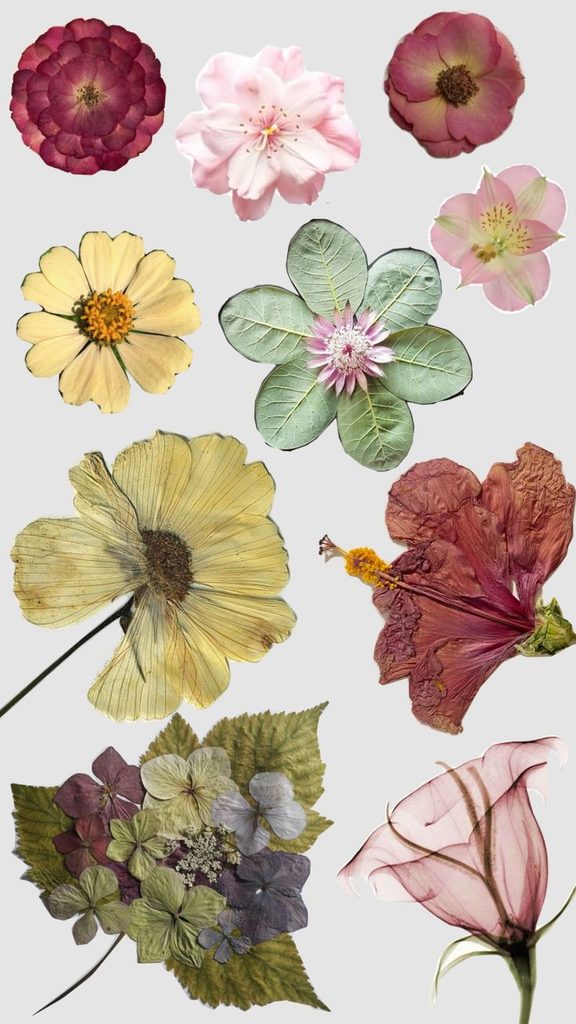
Floating glass frames turn a handful of pressed flowers into wall art in under an hour. It’s the most forgiving project here and the easiest to make look expensive.
You’ll need: double-glass floating frames, pressed flowers and leaves, tweezers and a lint-free cloth.
Prep: Pressing flowers in a heavy book between sheets of paper takes one to two weeks, so start early or buy them already pressed. Flat, thin blooms such as pansies, violas, cosmos and ferns press best.
Good to know: Hang the finished frames out of direct sunlight to slow fading.
9. Block-Printed Napkins
Carve a simple stamp, such as a lemon, a leaf or a wavy line, and print a set of napkins or tea towels. Repetition is forgiving, and slightly uneven prints only add to the handmade look.
You’ll need: soft carving blocks (easier to cut than traditional linoleum), lino cutters, a brayer, fabric block-printing ink, a sheet of glass or acrylic for rolling ink, prewashed cotton or linen napkins, pencils and plenty of scrap paper.
Prep: Sketch designs on paper first. Remember that every print comes out mirrored, which matters most for letters.
Good to know: Carving tools are sharp. Always cut away from your body and keep your free hand behind the blade; a bench hook holds the block steady. Fabric ink needs to dry and then be heat-set according to the label before washing.
10. Punch Needle
Punch needle builds a dense, textured design faster than almost any other fiber craft, which makes it unusually satisfying for a first try. Small hoops become wall hangings, coasters or patches.
You’ll need: a punch needle, monk’s cloth for regular yarn (or weaver’s cloth for fine embroidery-style needles), a no-slip hoop or gripper frame, yarn, scissors and a marker.
Prep: Draw the design on the back of the fabric, mirrored, since the loops form on the front.
Good to know: The fabric has to be drum-tight to hold the loops. If you use gripper frames, warn guests that the teeth are very sharp.
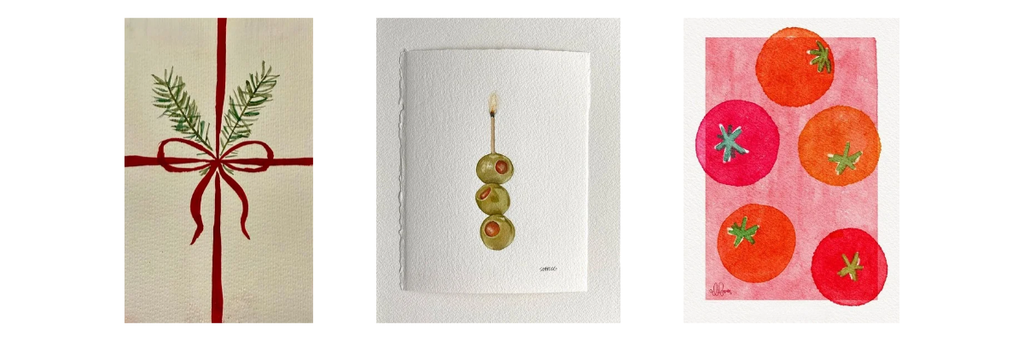
11. Watercolor Cards
Painting a stack of blank greeting cards is cheap, calm and useful: everyone leaves with birthday cards for the next few months. It’s also a good second project for anyone who finishes early.
You’ll need: blank watercolor cards or cold-press watercolor paper (at least 140 lb / 300 gsm) cut to size, a pan watercolor set, round brushes, masking tape, paper towels and fine-liner pens.
Prep: Tape the paper down on all four sides to stop it buckling, and offer a few prompts such as lemons, loose florals or a wash of color with one handwritten word.
Good to know: Use jars for paint water that look nothing like the drinking glasses. A hairdryer on low speeds up drying.
12. Macramé Plant Hanger
Three or four knots, repeated, make a plant hanger that looks far more complicated than it is. It’s rhythmic once you get going, and it ends the night as something useful.
You’ll need: 3–5 mm single-twist cotton cord, a wooden or metal ring, sharp scissors, a tape measure, an S-hook or clothes rail to hang work from, and a small pot to fit.
Prep: Choose one beginner pattern and pre-cut the cords to the lengths it gives; measuring is the slowest step. Learn the square knot and gathering knot yourself first so you can demonstrate.
Good to know: Hang finished pieces from a ceiling hook rated for the weight of a watered pot.
How to Host a Craft Night at Home
The secret to a relaxed craft night is doing the fiddly parts before anyone arrives. Choose one project rather than three, and make it yourself a few days ahead, so you know how long it really takes and which step needs a quick demonstration. Keep something simple, like watercolor cards, in reserve for anyone who finishes early. Four to eight guests is a comfortable number for one host, three hours is about right, and it’s worth telling everyone what you’re making and to wear something they don’t mind getting paint on.
On the night, roll kraft paper over the table (it protects the surface and doubles as a sketchpad), give each guest a small tray of her own materials and keep shared tools in the middle. Bright lamps over the work area matter more than candles, which belong well away from paper, fabric and dried flowers. Set the food out on a separate surface, choose snacks that won’t leave fingers greasy, and make an alcohol-free drink part of the plan rather than an afterthought.
Splitting the cost of multipacks and asking each friend to bring one thing keeps the budget sensible. Have a few boxes ready so wet pieces can travel home safely, and never pour wax or clay down the sink.
Planning one for a bride-to-be? A craft night makes a gentle bachelorette or hen night, and it fits easily into one of these stylish hen party themes.
When a Craft Night Turns Into a Hobby
Sometimes one evening is all a craft needs to be. Often, though, someone leaves with half an embroidery hoop and a new habit. Embroidery, punch needle and watercolor are especially easy to keep going alone on the sofa. If something clicked, our guide to hobbies worth trying instead of doomscrolling has more ideas for keeping your hands busy between get-togethers.