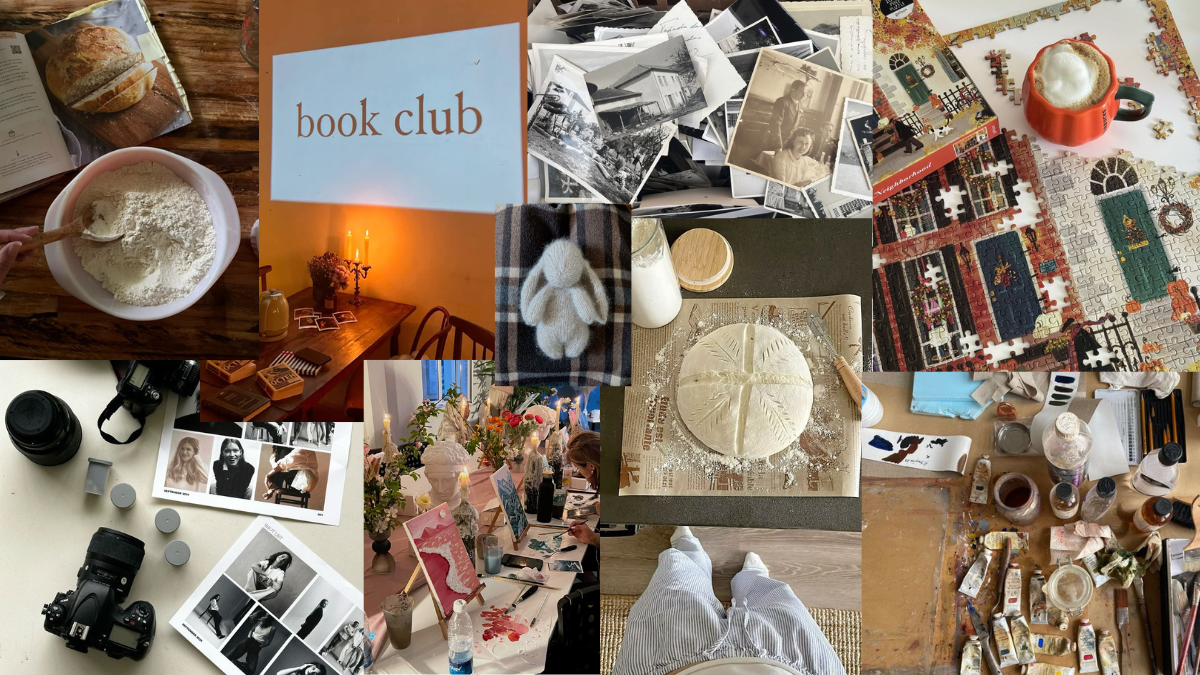
Hobbies for Women in Their 20s: Ideas Worth Trying Instead of Doomscrolling
You get home, drop your bag, sit on the sofa “just for a minute” and open TikTok. A cat falls off a bookshelf. Someone reviews a cardigan. A stranger explains, with total confidence, how she meal-preps for the week. You look up and it’s somehow 8.40pm, it’s dark outside, and you can’t remember a single thing you watched.
Nobody is calling this a moral failing. Scrolling is easy, and after a long day, easy is the point. But at some stage you might notice that your evenings have started to blur together, and that you’d quite like something to look forward to that isn’t the next video.
The awkward thing about finding hobbies for women in their 20s is that nobody hands them to you anymore. At school there were teams and clubs. At university there was a society for every conceivable interest and a freshers’ fair ready to sign you up to six of them. Then you start working, and unless you go looking, the chances to try new things quietly stop arriving.
So here’s the brief we gave ourselves: hobbies that are genuinely fun, that you don’t need to be naturally good at, and that won’t require a new personality or a 5am routine. Some will keep you happily busy on the sofa. Some will get you out of the house. One involves a lot of flour. Pick one, pick three, or abandon one after a fortnight and try another. That’s allowed.
For a slower evening in
Reading: find your kind of book
If you were a big reader as a kid and haven’t finished a book in years, you’re in very good company. A book asks something a feed doesn’t. It takes a few pages, sometimes a few chapters, before it pays off. When you’re used to being entertained within three seconds, that can feel strangely hard at first.
More often, though, the real problem is the wrong book. Becoming a reader isn’t about dragging yourself through a classic you feel you should have read, or whatever the entire internet is reading this month. It’s about working out what you actually like. That might be a romance where you know they’ll end up together and the fun is in how. It might be a thriller you can’t put down at midnight, a memoir about a life nothing like yours, a sprawling fantasy series, historical fiction, or a sharp contemporary novel about women your age making a mess of things.
A few places to start:
- Read Your Color is a quiz that matches you to a reader “type” based on what you want from a book. It’s a fun shortcut if you have no idea where to begin.
- Goodreads lets you check reviews before you commit and keep track of what you loved, and what you didn’t.
- BookTok is TikTok’s book community, and it’s genuinely good for recommendations. Search a book you loved plus “recommendations” and follow the creators whose taste matches yours.
If you want a shortlist, our edit of Books To Read This Autumn has something for most moods. One more tip: you’re allowed to stop reading a book you’re not enjoying. There’s always another one on the shelf.
Cost: Free with a library card. Most libraries now lend ebooks and audiobooks through an app, too.
Puzzles
A jigsaw spread across the coffee table is a lovely thing to live with. It sits there all week, half finished, inviting you to put in “just one more piece” on your way to the kettle. It’s the same one-more instinct as scrolling, except at the end you have a picture of a Tuscan village rather than a vague sense of where the evening went.
There are endless options, so if you’re new to puzzles, start with 300 or 500 pieces. Do the edges first, sort by colour, and put on a podcast. You can spend 20 minutes on it before bed or lose a whole rainy Sunday to it. Both count.
We’ve picked out three beautiful 1,000-piece puzzles because there’s something we love about a puzzle that takes more than an afternoon to finish. One that stays on the table for days, waiting for you to come back to it. And the best part? They’re pretty enough to frame afterwards, so all that effort ends up on your wall rather than tucked away under the bed.
Cost: One puzzle. Swap finished ones with friends to keep it cheap.
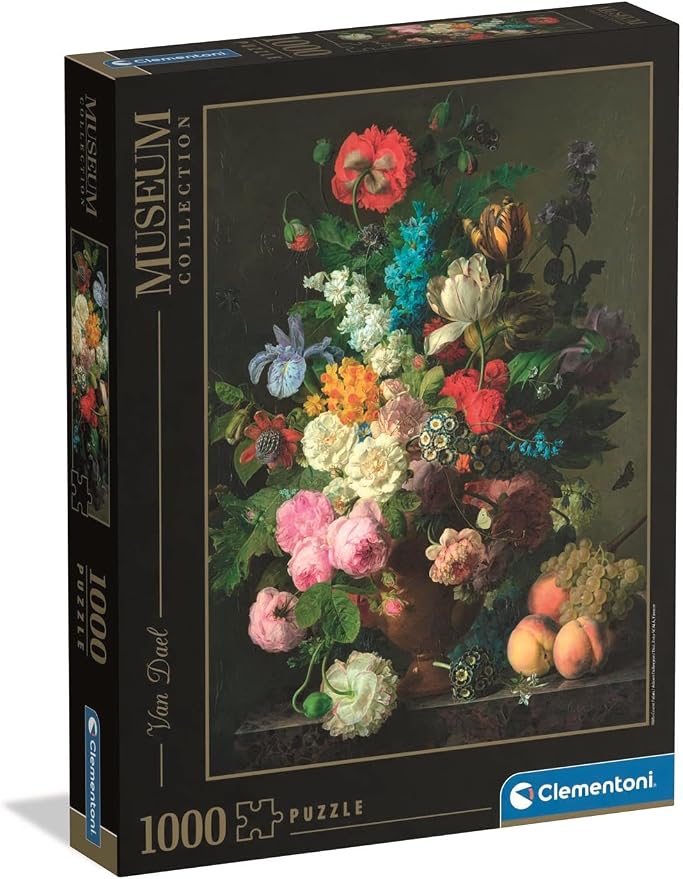
The Vase of Flowers
1000 piece jigsaw puzzle
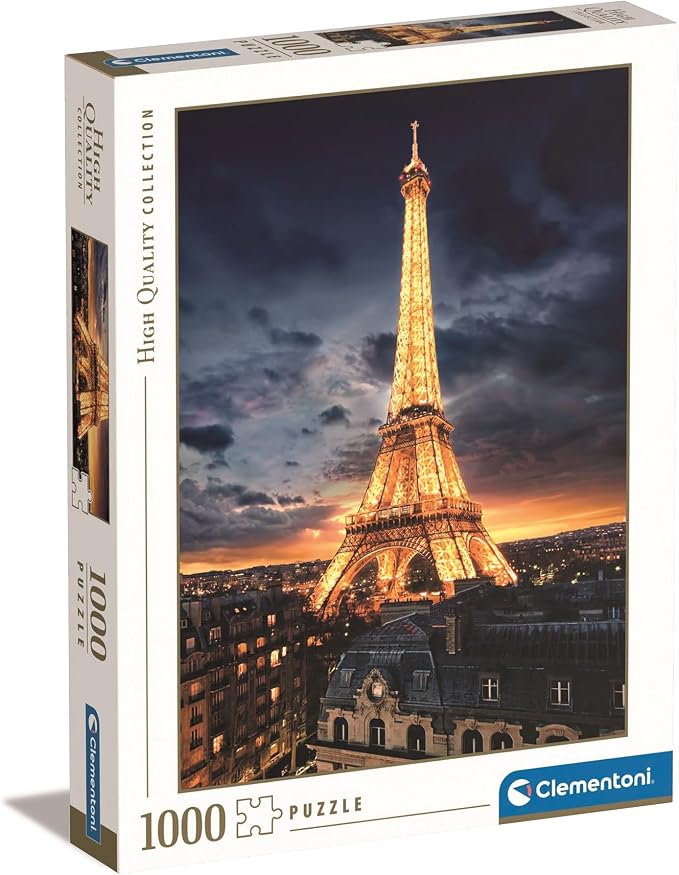
The Eiffel Tower
1000 piece jigsaw puzzle
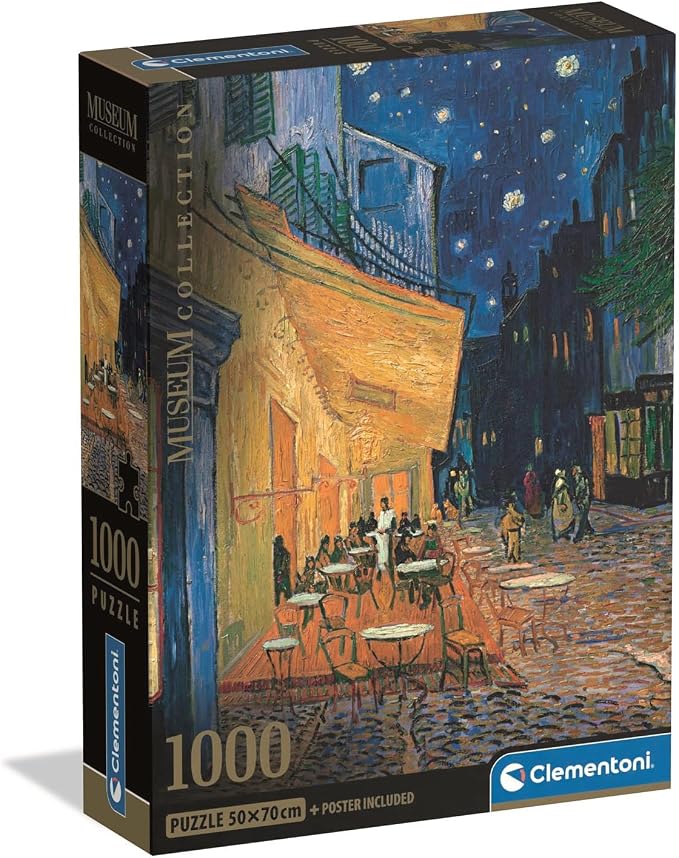
Cafe Terrace
1000 piece jigsaw puzzle
Journaling: perfect pages or complete chaos
Spend five minutes on Pinterest and you’ll find journals so beautiful they look professionally designed, with washi tape, flawless lettering and a pressed flower on every page. Lovely if that’s your thing. Not remotely required.
There are plenty of ways to do it:
- Traditional journaling: what happened today and how you felt about it.
- Thinking on paper: working through a decision or a thought you can’t shake. Writing “Should I take the job?” at the top of a page and arguing with yourself can be more useful than polling six friends.
- Gratitude journaling: a few things, big or tiny, that went well.
- Affirmations and manifestation: writing down what you want and who you’d like to be. Treat it less as magic and more as a way of getting clear on it.
- Junk journaling: the gloriously messy option. Cinema tickets, a receipt from a great dinner, Polaroids, a sweet wrapper from a holiday, notes scrawled around the edges.
Some people love structured, beautiful pages. Others want a battered notebook they can scribble in without thinking. Both are completely valid, and nobody has to see it but you. What journaling really gives you is time with your own thoughts, without anyone else’s opinions playing in the background.
Getting started: Any notebook and a pen you like. Write for ten minutes with no rules and see where it goes.
Make something with your hands
Learn to make bread
A confession from the editor’s desk: I’m currently learning to make bread, and it is so much trickier than it looks. Flour, water, yeast, salt. How hard can it be? Quite hard, as it turns out. But that’s exactly what makes it fun.
Every loaf is a small experiment. How do you get a lighter, airier crumb with those big, open bubbles? Is it the flour, the water, the kneading, the proving time? Then the questions multiply. Should you try a seeded loaf next? Something soft and buttery, like brioche? Do you want bread for toast, for sandwiches, or something with a proper crackly crust to tear apart at the table?
You change one thing, see what happens, and slowly start to understand why. Whatever comes out of the oven, you get to eat it warm, with far too much butter.
Getting started: A simple white loaf or a no-knead recipe is a forgiving first go. Save sourdough for later, because a starter is a commitment, a bit like a very needy pet. Cost: Flour, yeast and salt are cheap. A digital kitchen scale is worth having, since bread is fussier about measurements than most cooking.
Painting: you don’t have to be good at it
Let’s get this out of the way: nobody is expecting a gallery opening. The point of painting is the hour you spend mixing colours and pushing paint around. Whether the result deserves a frame doesn’t matter, although if it does, wonderful.
An easy way in is to buy a small canvas, find a painting you love on Pinterest and try to recreate it. Copying teaches you far more about colour and brushwork than staring at a blank canvas wondering what to paint. Need ideas? Our Pinterest Board is full of them.
On a nice day, take your supplies to a park and paint what’s in front of you: a tree, a bench, the light on the water. Don’t worry about getting it “right”. Nobody walking past is judging your perspective.
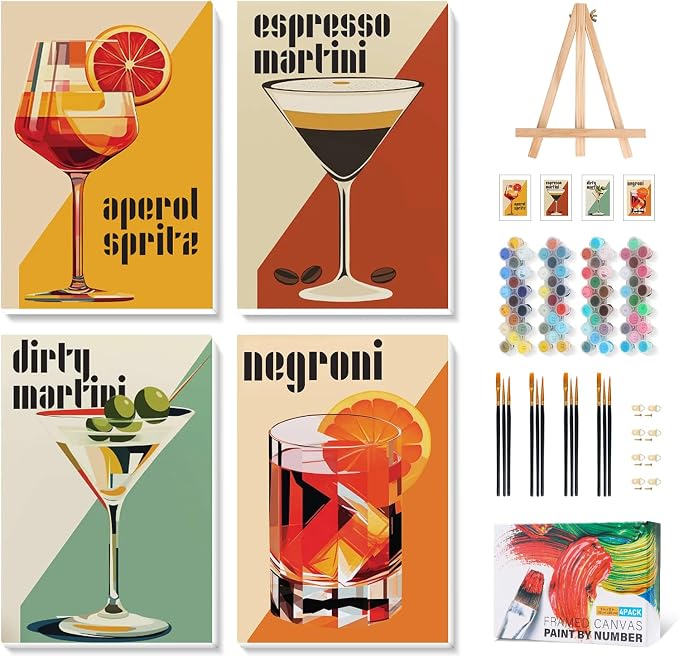
If a blank canvas feels intimidating, a paint-by-numbers kit is a brilliant halfway house. The decisions are made for you, so you can just enjoy watching the picture appear.
Cost: A starter set of acrylics, a couple of brushes and a small canvas. Acrylics are a good first choice because they dry quickly and clean up with water.
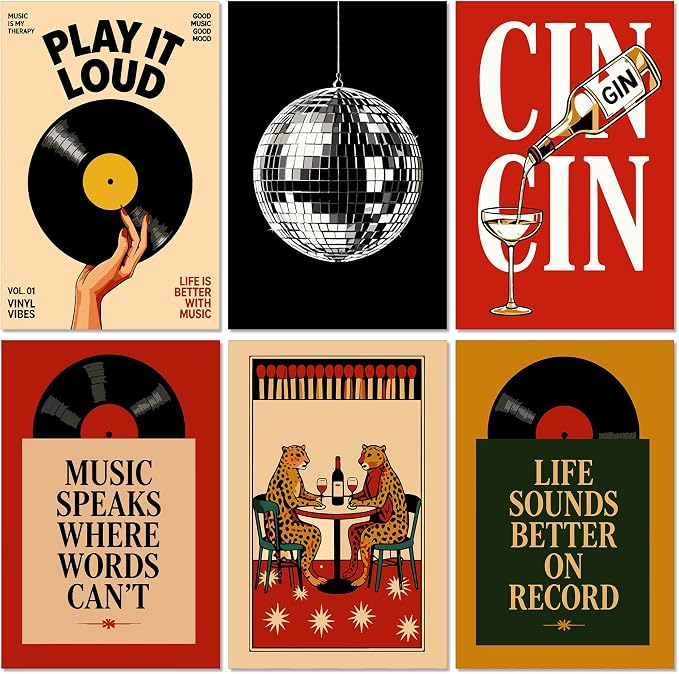
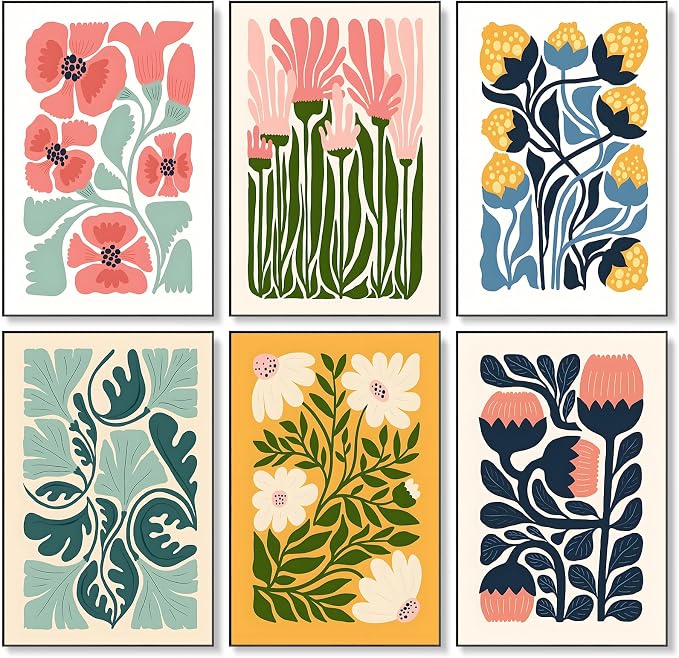
If you fancy giving paint by numbers a go, we’ve picked out a few of our favourite kits from Amazon to get you started. They’re easy to follow, surprisingly relaxing, and some are pretty enough to frame once you’re finished. Who knew your next piece of wall art could be something you painted yourself?
Knitting: make something you can actually wear
The best thing about knitting is that you end up with something you can wear. Start with a scarf, move on to a hat or headband, and one day, eventually, a jumper.
It also solves the gift problem for good. A scarf for a friend, a hat for someone who’s always cold, tiny booties when someone you love is having a baby. Something you’ve spent hours making carries a thoughtfulness you can’t add to a basket.
Keep your first project simple. Learn the knit stitch, then the purl, and make a scarf while you work on keeping your tension even. Chunky yarn and bigger needles help, because you’ll see progress quickly. That matters when you’re still wondering why you have more stitches than you started with. YouTube has endless slowed-down tutorials, and a good beginner’s book is handy to keep beside you on the sofa.
Cost: A pair of needles and a ball or two of yarn. Local yarn shops often run beginner classes or knitting circles.
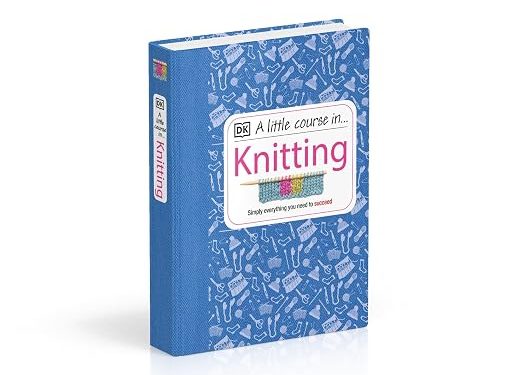
A Little Course in Knitting
Learn to do your own nails
If your Pinterest has a nail inspiration board with 300 pins on it, this one’s for you. Instead of saving another design, try recreating one.
You’ll need a base coat, a top coat, a few colours you love, a dotting tool and a fine nail-art brush. With those you can do polka dots, simple French tips, tiny hearts or a little line work. Start with dots, which are easier than they look, and build from there. Some designs will come out beautifully. Others will be removed within ten minutes. That’s what polish remover is for.
Stick to regular nail polish. Leave gel and acrylics, which need curing and careful removal, to a nail technician.
Cost: Low, especially if you already own a few polishes.
Gardening, even without a garden
Gardening doesn’t require a garden. If you live in a flat with one sunny windowsill, you can still be a plant person.
Start with one or two forgiving houseplants, like a pothos or a spider plant, and then actually get to know them. Which window gets the most light? How do you tell when it needs water? When does it need repotting? Different plants want very different things, and working that out is half the fun. Rooting a cutting in a glass of water on the windowsill is oddly thrilling, and it’s how one plant becomes a collection.
With a balcony or doorstep, try herbs in pots, like basil, parsley or mint (give the mint its own pot, because it spreads). With a proper patch of ground, salad leaves are an easy first crop.
Cost: A plant, a pot with a drainage hole and some compost. Herbs from seed cost very little.
Learn something completely new
Learn a new language
Learning a language doesn’t have to mean grammar drills or aiming for fluency by Christmas. Maybe you’re planning a trip and would love to order dinner without immediately switching to English. Maybe you’re drawn to a country’s films, music or food. Or maybe someone close to you speaks a language you’d love to understand.
Start small: a few minutes a day on a free app, a handful of useful phrases, a playlist of songs in that language, or a favourite series rewatched with the audio switched over. When you feel brave, look for a conversation exchange or a language meetup in your city. Measure progress in small wins, like the first time you understand a joke.
Cost: Free to start. Classes or a tutor are there if you want more structure.
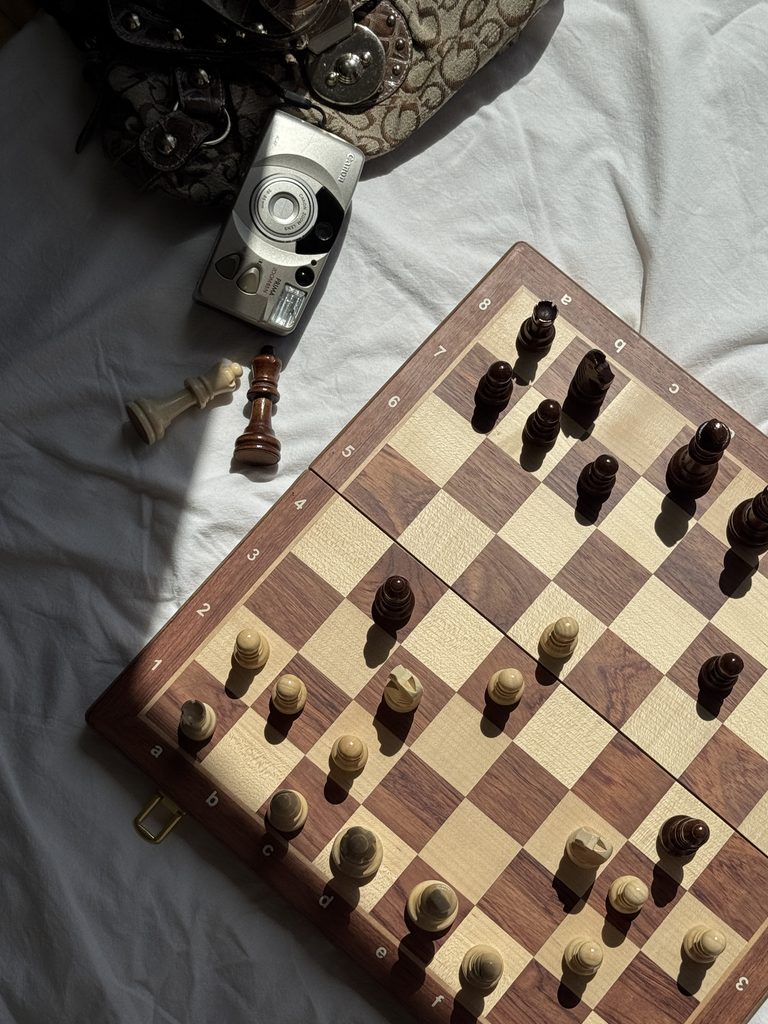
Learn to play chess
If you want something completely different from anything you’ve done before, chess is a surprisingly good choice. You only need to learn how six pieces move to start playing, and there’s a whole world of strategy to grow into.
Learn the rules and a few simple principles: control the centre, get your pieces out early, castle to keep your king safe. Then just play. Lichess is free, and Chess.com has a free version. Both let you play the computer at your level or real people anywhere in the world. You’ll lose a lot at first. Everyone does.
Once it clicks, play friends in person, or look for a local chess club or a chess night at a café or pub. Many welcome beginners.
Cost: Free online. A nice board is a lovely thing to own.
Get out of the house
Pottery classes
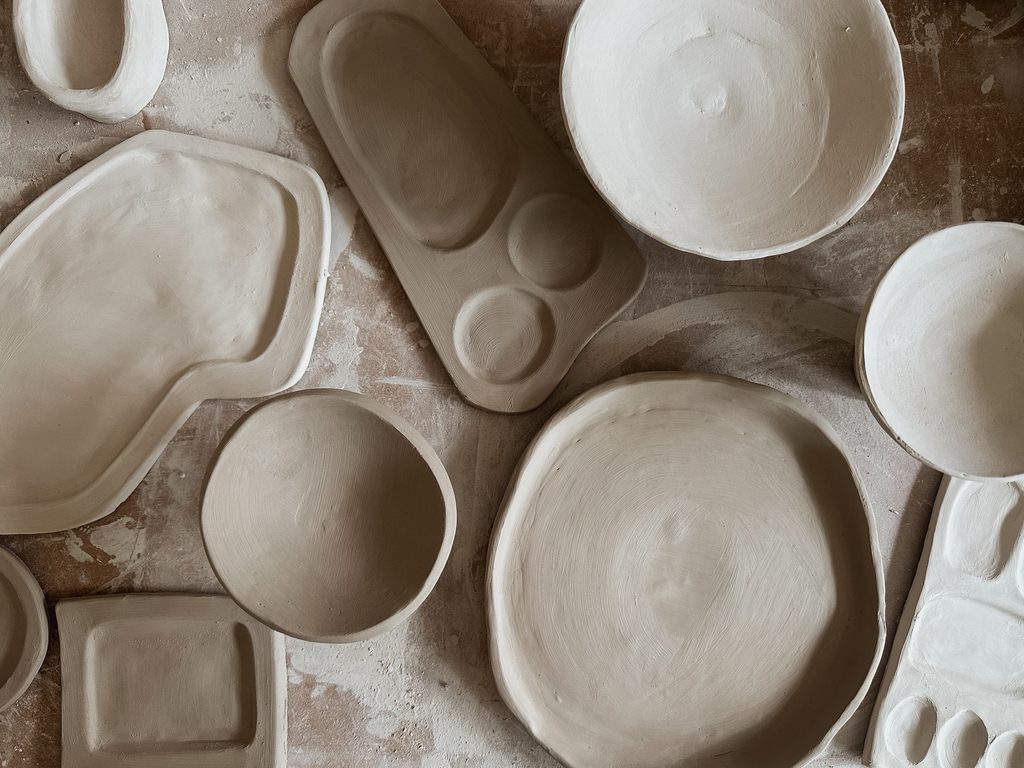
It’s hard to check your phone with clay up to your wrists. Book a beginner’s taster at a local studio and you’ll usually try hand-building, the wheel or both. Your first bowl may be wonky. It will still hold your keys. Cost: One of the pricier hobbies here, since you’re paying for studio time and firing. Try a one-off session before committing to a course.
Dance classes
For anyone who loves music and wants to move without it feeling like the gym. Salsa, swing, contemporary, adult ballet, K-pop choreography: there’s a beginner class for most tastes, and many studios offer drop-ins. Partner dances are especially good for meeting people, because everyone rotates. Cost: Pay per class or buy a block.
Film photography
With 24 or 36 shots on a roll and no screen to check, you start thinking about every picture. Then comes the wait for your photos to come back, which is half the appeal. A point-and-shoot or a secondhand 35mm camera is plenty to start with. Cost: Not the cheapest hobby here, since you pay for each roll and again for developing. It rewards being a little selective.
Hiking or walking groups
One of the easiest ways to meet people. You walk side by side, so conversation happens without the pressure of a table between you. Look on Meetup, local hiking clubs or community groups, and start with a shorter route. Cost: Comfortable shoes and a waterproof, which is non-negotiable in Ireland or the UK.
Book clubs
If reading has clicked, a book club makes it social and gives you a deadline for actually finishing the book. Bookshops and libraries often host them. Or start your own: four friends, one book a month, someone’s living room and a bottle of wine. The conversation will drift off topic. That’s fine. That’s book club.
The best hobby is the one you’ll go back to
You don’t need talent, expensive equipment or a whole new lifestyle to have a hobby. It doesn’t need to be productive, post-worthy or something you’re good at by next month. It just needs to be something you enjoy enough to come back to, something that makes the evening feel like yours.
So start with whichever one made you think, “Oh, actually, that sounds fun.” Buy the puzzle. Borrow the book. Get flour all over the counter. Your phone will still be there afterwards. It always is.
Looking for something to do with your friends instead? Explore our guide to 30 Girls’ Night In Ideas, from Low-Key to Fully Themed for easy ideas for your next night in.